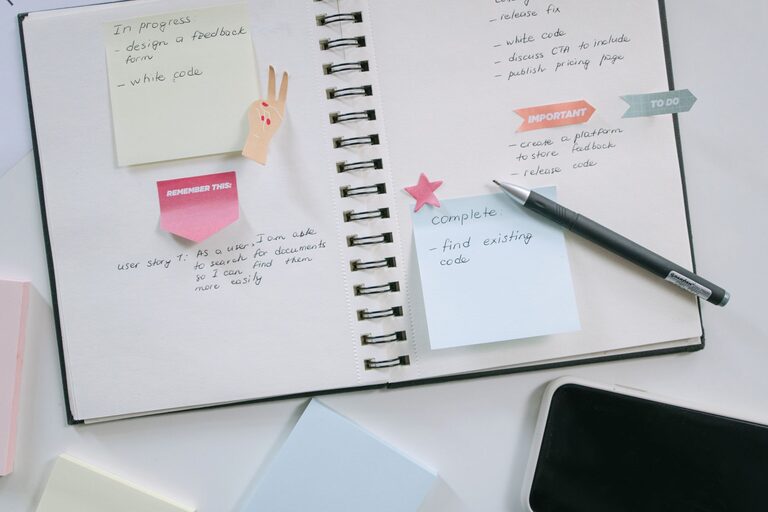
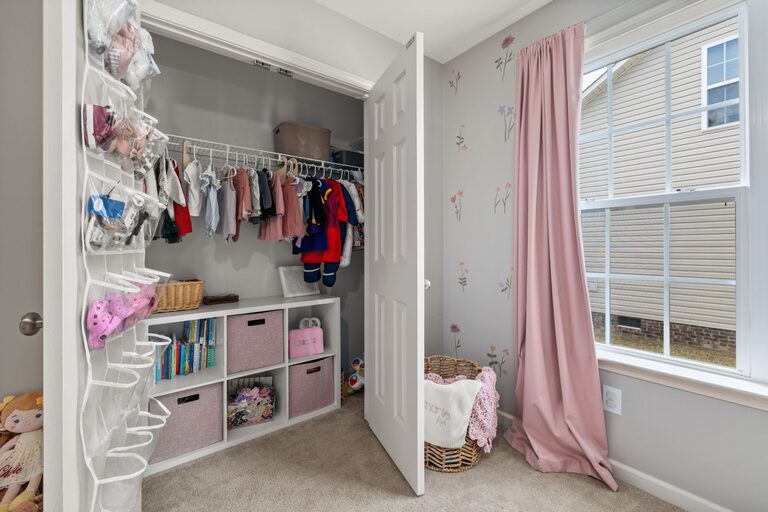
Children’s artwork is a wonderful way to capture their creativity and growth over time. However, as kids create more drawings, paintings, and crafts, their art piles can quickly become overwhelming. Organizing these masterpieces not only preserves precious memories but also keeps your home tidy and clutter-free.
In this post, we’ll explore practical and simple tips to help you manage and organize your kids’ art efficiently, making it fun for both you and your children.
Why Organizing Kids’ Art Matters
Before diving into the tips, it’s important to understand why organizing art is beneficial:
– Preserves memories: Artwork reflects different stages of your child’s development and creativity.
– Reduces clutter: Prevents the buildup of piles that can stress you and your family.
– Encourages responsibility: Involving kids in organizing teaches them to care for their belongings.
– Makes sharing easier: Organized art is simple to display or gift to family and friends.
With these benefits in mind, let’s look at how to keep your child’s art collection neat and accessible.
1. Create a Dedicated Art Storage Space
Having a designated area for art storage helps keep everything together and makes organization easier.
Options to consider:
– Storage bins and boxes: Clear plastic bins with labels are affordable and stackable.
– Portfolios: Large art portfolios offer flat storage for drawings and paintings.
– Filing cabinets or drawers: Use hanging folders or expandable files to sort art by date or theme.
– Art carts: Rolling carts with multiple levels can store supplies and finished pieces.
Make sure the chosen space is accessible to your child so they can help maintain it.
2. Sort Artwork Regularly
Schedule time to review the artwork together. This helps decide which pieces to keep, display, or recycle.
Sorting tips:
– Keep favorites: Select pieces that show progress, creativity, or special memories.
– Set limits: Decide on a fixed number of items to keep per month or school year.
– Recycle thoughtfully: Use artwork for wrapping paper, crafts, or cards if you don’t plan to keep it.
Sorting regularly prevents overwhelming piles and keeps your collection manageable.
3. Use Digital Archiving
Technology makes it easier than ever to preserve children’s art without taking up physical space.
How to get started:
– Take photos: Snap clear pictures of each art piece.
– Create digital albums: Use cloud storage, apps, or photo books to organize and view art.
– Print photo books: At the end of the year, compile digital images into a printed book as a keepsake.
Digital archiving allows you to keep memories indefinitely while reducing physical clutter.
4. Display Art Creatively
Showcasing your child’s artwork not only boosts their confidence but also adds a personal touch to your home.
Display ideas:
– Rotating gallery: Use a corkboard, magnetic board, or string with clips to swap out art regularly.
– Frames: Invest in a few frames with easy-open backs for quick changes.
– DIY display boards: Create a colorful, customized board for your child’s favorite pieces.
– Art books: Compile artwork into binders or scrapbooks for organized browsing.
Rotate displays regularly to highlight new creations without accumulating too many on the walls.
5. Repurpose Artwork for Gifts and Projects
Turn art into meaningful gifts or practical items, giving them a second life.
Ideas include:
– Greeting cards and gift tags: Cut or fold artwork into cards.
– Calendars: Use scanned images to design personalized yearly calendars.
– Decorative items: Laminate drawings to make placemats or bookmarks.
– Craft projects: Collage old art to create new mixed-media pieces.
Repurposing reduces waste and adds sentimental value to everyday objects.
6. Encourage Your Child’s Involvement
Getting your kids involved in organizing their art teaches valuable skills and makes the process enjoyable.
Ways to engage children:
– Let them choose favorites to keep or display.
– Label storage containers together.
– Create art journals or scrapbooks collaboratively.
– Set up a routine for sorting and tidying art supplies and creations.
This involvement fosters a sense of pride and responsibility.
7. Organize Art Supplies Separately
Keeping art materials organized can help maintain a cleaner creative space and reduce clutter around artwork.
Helpful tips:
– Use clear containers or jars for brushes, crayons, and markers.
– Label supply bins by type or color.
– Keep frequently used items within easy reach.
– Regularly declutter dried markers and empty paint bottles.
An organized supply area supports creativity while keeping messes manageable.
Final Thoughts
Organizing your kids’ artwork is an ongoing process, but with these tips, it’s manageable and rewarding. Dedicated storage, regular sorting, digital archiving, and creative displays all contribute to preserving memories and maintaining a clutter-free home.
By involving your children and repurposing art, you create lasting family traditions and encourage creativity in a fun, organized way. Start small, find what works best for your family, and enjoy celebrating your child’s artistic journey!
About the Author