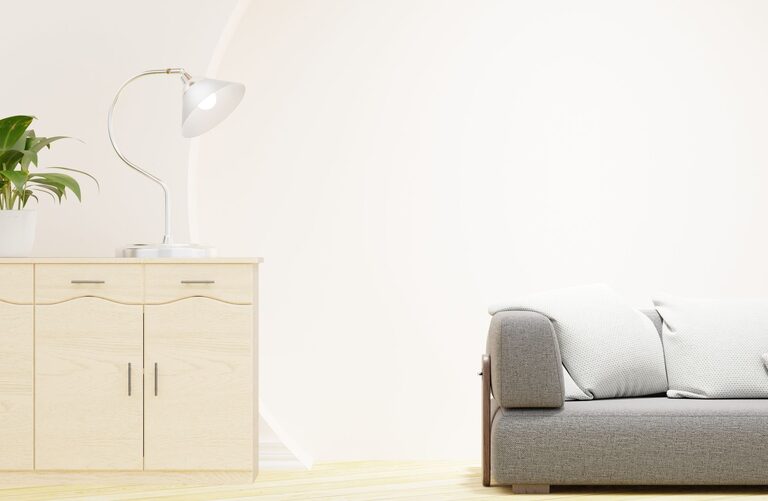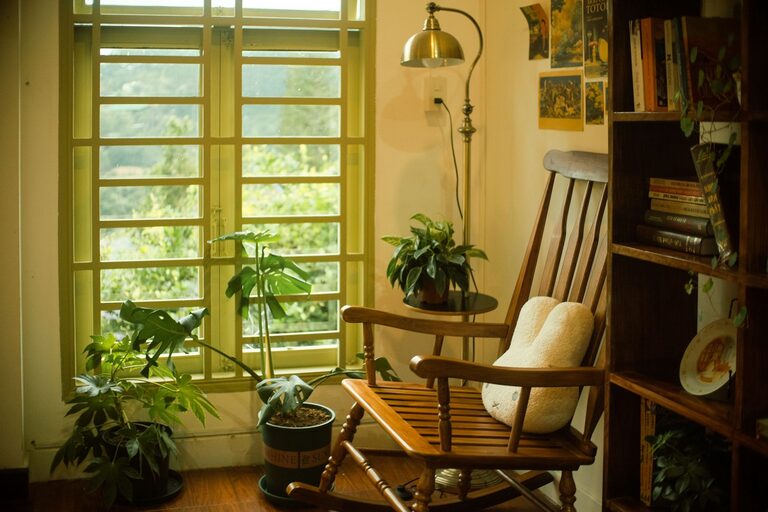
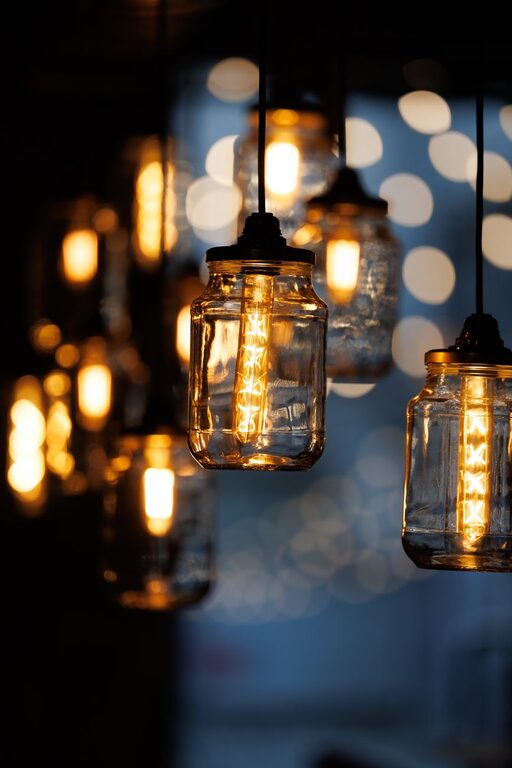
Creating a cozy and inviting atmosphere in your home starts with the right lighting. Comfortable home lighting not only enhances the look and feel of your space but also supports your daily activities, boosts your mood, and reduces eye strain. With so many lighting options available, choosing the best light for your home can feel overwhelming. This guide will help you understand what to consider when selecting comfortable lighting solutions so you can enjoy a well-lit and pleasant living environment.
Why Comfortable Lighting Matters
Lighting affects how we experience our living spaces. Harsh or inadequate lighting can cause discomfort, headaches, and fatigue. On the other hand, well-chosen lighting creates warmth, highlights your home’s features, and helps you relax or focus when needed. Comfortable lighting is about balancing brightness, color temperature, and placement to suit each room’s purpose and your personal preferences.
Types of Lighting to Consider
Before diving into tips, it’s helpful to understand the three main types of lighting you’ll use throughout your home:
Ambient Lighting
Also known as general lighting, ambient lighting provides overall illumination. Examples include ceiling fixtures, recessed lights, and large lamps. This layer ensures rooms are evenly lit without harsh shadows.
Task Lighting
Task lighting focuses on specific areas where you need extra light to perform activities such as reading, cooking, or working. Desk lamps, under-cabinet lights, and vanity lights fall into this category.
Accent Lighting
Accent lighting adds visual interest by spotlighting artwork, plants, or architectural features. It helps create depth and personality in a room with fixtures like wall sconces or track lights.
Tips for Choosing Comfortable Lighting
1. Consider the Purpose of Each Room
Different rooms have different lighting needs.
– Living Room: Use a combination of ambient and accent lighting to offer flexibility for relaxing, entertaining, or reading.
– Kitchen: Bright task lighting is essential for food preparation, combined with ambient lighting for general visibility.
– Bedroom: Opt for soft and warm light to promote relaxation, with task lights for reading.
– Bathroom: Bright, shadow-free lighting around mirrors is crucial, but avoid overly harsh lights.
2. Choose the Right Color Temperature
Color temperature, measured in Kelvins (K), affects the mood of a room.
– Warm Light (2700K–3000K): Creates a cozy, inviting atmosphere, ideal for bedrooms and living areas.
– Neutral Light (3500K–4100K): Suitable for kitchens and bathrooms where clarity is important.
– Cool Light (5000K+): Mimics daylight and can improve focus, useful for workspaces but may feel too stark for relaxing spaces.
3. Opt for Adjustable Lighting
Dimmer switches and adjustable fixtures allow you to control brightness levels to suit different times of day or activities. This flexibility helps maintain comfort and saves energy.
4. Use Multiple Light Sources
Relying on a single overhead light often results in uneven illumination. Layer your lighting with a mix of ceiling lights, floor lamps, and table lamps to reduce glare and shadows for a more comfortable environment.
5. Pay Attention to Fixture Styles and Placement
The style of your lighting fixtures should complement your home décor while providing the right light direction and coverage.
– Avoid fixtures that cause harsh glare or cast unflattering shadows.
– Position task lights close to the area of activity.
– For ambient lighting, ceiling fixtures or wall sconces placed evenly work best.
6. Choose Energy-Efficient Bulbs
LED bulbs offer a range of color temperatures and dimmable options while using less energy and lasting longer than traditional bulbs. This choice benefits both comfort and cost savings.
7. Consider Natural Light
Maximize natural daylight by positioning workspaces near windows and using light curtains to diffuse harsh sunlight. Natural light improves well-being and reduces the need for artificial lighting during the day.
8. Test Before You Commit
If possible, bring sample bulbs home or test light fixtures in your rooms before buying. What looks good in a store might not work as well in your home’s lighting conditions.
Additional Tips for Specific Spaces
Living Room Lighting Ideas
– Use a central ceiling fixture for ambient light.
– Add table lamps near seating areas.
– Incorporate accent lights to highlight artwork or shelves.
Bedroom Lighting Ideas
– Soft bedside lamps with warm bulbs for reading.
– Install dimmable overhead lights.
– Use blackout curtains to control natural light for better sleep.
Kitchen Lighting Ideas
– Bright LED recessed lights for overall illumination.
– Task lighting under cabinets for countertops.
– Pendant lights over islands or dining areas.
Bathroom Lighting Ideas
– Avoid overhead-only lighting; use sconces on either side of the mirror.
– Choose bulbs with good color rendering to ensure accurate reflection.
Conclusion
Choosing comfortable home lighting involves a thoughtful blend of function and style. By understanding the purpose of each room, selecting appropriate color temperatures, layering different types of lighting, and incorporating energy-efficient solutions, you can create a welcoming and practical lighting design. Remember to test your choices and adjust as needed to achieve the perfect balance that suits your lifestyle and home aesthetics.
Good lighting makes your home not just brighter, but more comfortable and enjoyable to live in. Start experimenting today for a lighting setup that truly feels like home.
About the Author