Growing your own herbs indoors is a rewarding and practical way to add fresh flavors to your meals year-round. Even if you don’t have a large outdoor space, a small indoor herb garden can thrive on a windowsill or countertop with the right care. This guide will walk you through everything you need to know to successfully start and maintain an indoor herb garden.
Why Grow Herbs Indoors?
Indoor herb gardening is a convenient and enjoyable hobby. It allows you to have fresh herbs within reach at any time, reduces trips to the grocery store, and can brighten up your living space with greenery. Plus, growing herbs indoors can be a great way to learn about plants and gardening in a small space.
Choosing the Right Herbs
Not all herbs are equally suited for indoor growing, so start with varieties that are easy to care for indoors. Some popular and beginner-friendly options include:
– Basil: Great for cooking, likes warm, sunny spots.
– Parsley: Tolerates moderate light, versatile in the kitchen.
– Mint: Hardy and fast-growing but can spread quickly.
– Chives: Easy to grow, adds a mild onion flavor.
– Thyme: Prefers bright light and well-draining soil.
– Oregano: Thrives with plenty of sun and moderate watering.
– Cilantro: Needs cooler temperatures and bright light.
Selecting Containers and Soil
Containers
Choose pots with good drainage holes to prevent waterlogging. You can use:
– Clay or ceramic pots: porous, good for herbs that prefer dryer soil.
– Plastic pots: lightweight and retain moisture longer.
– Recycled containers: Just make sure to add drainage holes.
Small pots (4 to 6 inches in diameter) work well for most herbs.
Soil
Use a high-quality potting mix designed for indoor plants. Avoid garden soil, which can compact and may contain pests. A mix that is light and drains well will keep your herbs healthy.
Finding the Right Location
Herbs need plenty of natural light to grow well. Most herbs require at least 6 hours of sunlight per day. The best spots are:
– South or west-facing windows
– Bright, indirect light areas if direct sunlight isn’t available
If natural light is limited, consider supplementing with a grow light designed for plants.
Planting Your Herb Garden
You can start your herb garden either from seeds or starter plants.
– Seeds: More affordable and fun to watch grow, but require more time and care.
– Starter plants: Faster results and easier for beginners.
When planting:
- Fill your containers with potting mix, leaving about an inch of space at the top.
- If using seeds, follow the packet instructions for depth and spacing.
- If using starter plants, gently loosen the roots and plant them at the same depth they were in their original pots.
- Lightly water the soil after planting.
Watering and Maintenance
Watering
Herbs generally prefer evenly moist soil that’s not soggy. Check soil moisture by sticking your finger about an inch into the soil:
– If dry, water gently until water drains from the bottom.
– Avoid overwatering to prevent root rot.
Humidity and Temperature
Most herbs thrive in average indoor temperatures (65-75°F). If your home is dry, especially in winter, increase humidity by:
– Placing a water tray with pebbles under the pots
– Using a small humidifier nearby
Pruning and Harvesting
Regular pruning encourages healthy growth:
– Pinch off flower buds to focus plant energy on leaves.
– Harvest leaves by cutting just above a leaf node.
– Don’t harvest more than one-third of the plant at a time to keep it healthy.
Troubleshooting Common Issues
– Yellowing leaves: Often a sign of overwatering or poor drainage.
– Leggy growth: Usually caused by insufficient light; move plants to a brighter spot.
– Pests: Indoor herbs occasionally attract aphids or spider mites. Wipe leaves with a damp cloth or use insecticidal soap if needed.
Benefits of an Indoor Herb Garden
– Fresh herbs enhance your cooking with vibrant flavors.
– Growing plants indoors improves air quality.
– Gardening can reduce stress and increase well-being.
– It’s a sustainable way to reduce packaging waste from store-bought herbs.
Final Tips for Success
– Rotate your pots regularly to ensure even light exposure.
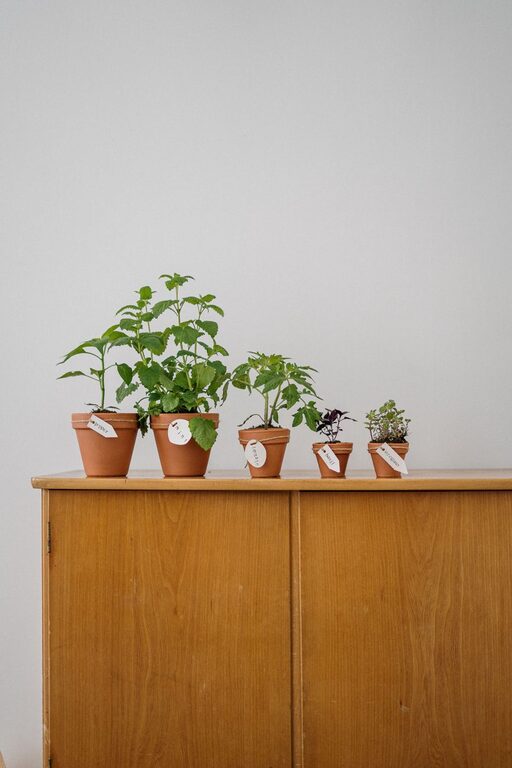
– Label your herbs to keep track of different plants.
– Experiment with different herbs to find what works best in your space.
– Keep a gardening journal to note your watering schedule and plant growth.
Starting a small herb garden indoors is easier than you might think. With just a bit of light, water, and care, you can enjoy fresh, homegrown herbs all year long. Happy gardening!
About the Author