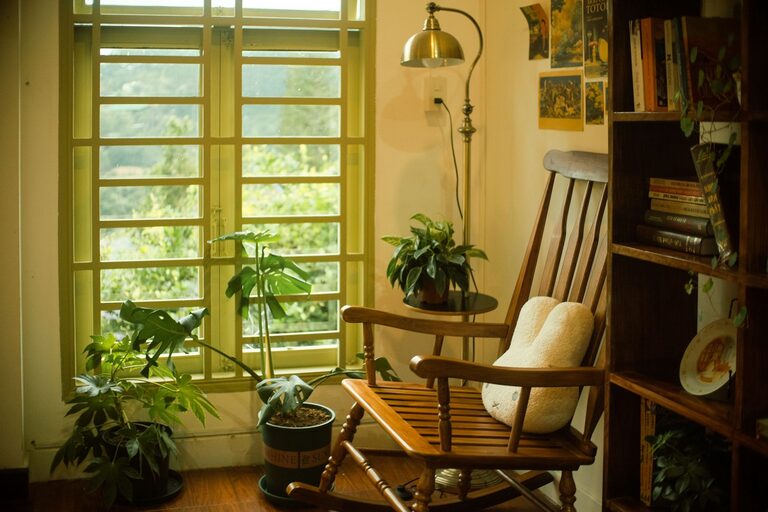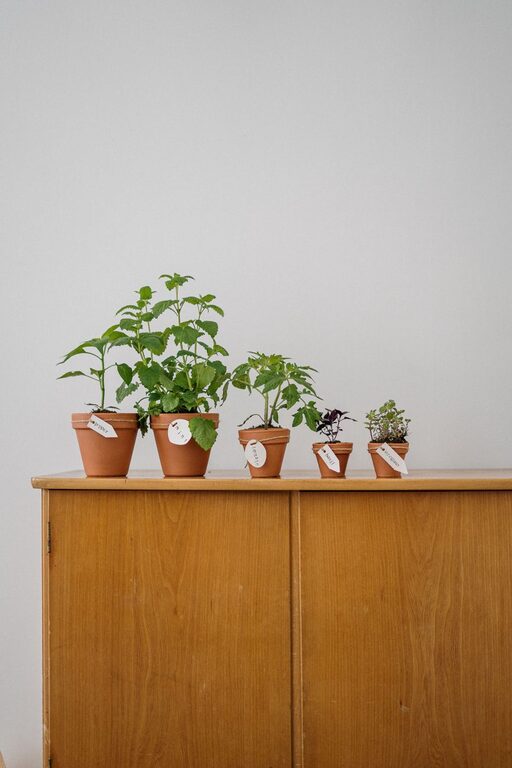

Bringing houseplants into your home can brighten up your space, improve air quality, and even boost your mood. However, keeping these green companions healthy requires some care and attention. Whether you’re a beginner or have a collection of plants, following a few essential tips can make all the difference. In this post, we’ll explore practical advice to help your houseplants thrive.
Understanding Your Houseplants' Needs
Every plant species has unique requirements for light, water, and nutrients. Before purchasing or bringing a plant home, it’s important to learn about its specific care needs.
Light Requirements
Plants rely on light for photosynthesis, so knowing how much light your plant needs is key:
– Bright, direct light: Succulents and cacti often need several hours of direct sunlight.
– Bright, indirect light: Many tropical plants, like pothos or peace lilies, thrive near a window with filtered light.
– Low light: Some plants such as snake plants or ZZ plants tolerate low light but tend to grow more slowly.
Try to place your plants near windows that match their light preferences. Rotating plants every week or so helps even out exposure, preventing uneven growth.
Watering Properly
Overwatering and underwatering are the most common reasons houseplants suffer.
– Check soil moisture: Insert your finger about an inch deep into the soil. If it feels dry, it’s time to water.
– Water thoroughly: Water until it drains from the bottom of the pot, ensuring the roots get moisture.
– Remove excess water: Avoid letting your plant sit in standing water, which can cause root rot.
Different plants have different watering schedules, so adjust based on the species and season. Many plants need more water in warmer months and less during dormancy.
Maintaining Good Soil and Fertilizing
Healthy soil provides the foundation for plant growth.
Choosing the Right Soil
Use a potting mix suited for your plant type:
– Well-draining mix: Succulents and cacti prefer sandy, fast-draining soil.
– Moisture-retentive mix: Tropical plants benefit from soil that holds some moisture but still drains well.
Repotting your plants every 1-2 years helps refresh the soil and gives roots space to grow.
Fertilizing Tips
Plants need nutrients to stay vibrant. Use a balanced, water-soluble fertilizer during the growing season (spring and summer):
– Follow package instructions carefully to avoid over-fertilizing.
– Fertilize every 4-6 weeks for most houseplants.
– Reduce or stop fertilizing during fall and winter when growth slows.
Controlling Pests and Diseases
Indoor plants can occasionally attract pests or develop diseases. Early detection and treatment help prevent serious damage.
Common Pests
Look out for:
– Spider mites: Tiny webs and speckled leaves.
– Mealybugs: White, cottony patches on stems and leaves.
– Aphids: Small green or black insects clustered on new growth.
If you spot pests, try washing the leaves gently with water or use insecticidal soap. Isolate the affected plant to prevent spreading.
Preventing Diseases
Good air circulation, proper watering, and clean leaves help prevent fungal and bacterial issues. Avoid overhead watering and remove any dead or yellowing leaves promptly.
Additional Care Tips for Thriving Plants
Proper Humidity
Many indoor plants, especially tropical varieties, appreciate higher humidity:
– Use a humidifier or place a water tray with pebbles near plants.
– Group plants together to create a micro-humid environment.
Regular Cleaning
Dust on leaves can block light and reduce photosynthesis. Wipe leaves gently with a damp cloth every few weeks to keep them clean and healthy.
Pruning and Trimming
Removing dead or yellow leaves encourages new growth and maintains your plant’s shape. Prune leggy stems to promote bushier growth.
Creating the Perfect Environment
Temperature Considerations
Most houseplants thrive between 65°F and 75°F (18°C-24°C). Avoid placing plants near drafty windows or heating vents, which can cause stress.
Choosing the Right Containers
Ensure your pots have drainage holes to prevent water buildup. The pot size should be appropriate for the plant’s root system—too large can hold excess moisture, leading to root problems.
—
Taking time to understand and meet your houseplants’ needs will reward you with beautiful, thriving greenery. With proper light, watering, soil, and care, you can enjoy the many benefits of healthy houseplants in your home. Happy planting!
About the Author